Exploring Allergen-Reduction in Sleep Environments: A Practical Guide
A Vogue-inspired, evidence-based journey into reducing bedroom allergens—dust mites, mold, VOCs, and humidity—without sacrificing comfort or style.
In the intimate theater of sleep, the environment plays a lead role. The Clean Mattress, now reimagined as The Clean Bedroom’s expert guide to a healthier sleep space, invites you to curate a bedroom that whispers cleanliness, calm, and science-backed comfort. This practical guide translates research into daily rituals, exploring how to minimize allergen exposure while preserving the textures of a beautiful, restful room. We’ll traverse from the soft margins of layout and routine to the hard edges of evidence about dust mites, mold, VOCs, and humidity, with expert voices from across time to illuminate durable truths about sleep health.
Why the Sleep Environment Matters
Sleep quality is inseparable from the space that surrounds us. The bedroom is not just a place to rest; it’s a controlled microcosm where humidity, airflow, temperature, and surface cleanliness converge to shape nightly comfort and daytime clarity. Allergen reduction is not a punitive chore—it’s a design-forward approach to sanctuary living.
A well-conceived sleep environment lowers inflammatory responses, reduces nighttime awakenings, and supports circadian alignment. Small, deliberate actions—like maintaining moderate humidity and choosing breathable textiles—accumulate into a healthier nightly ritual.
Three Timelines of Expertise
- Ancient to Classical Insight – The foundations of clean living echo through eras. From the meticulous hygiene practices of early apothecaries to Vitruvian ideals of balance, thoughtful care for the sleeping space has always been a marker of refinement.
- 19th–20th Century Public Health – Pioneers in microbiology and environmental health mapped the invisible adversaries: dust mites, mold spores, and volatile compounds. Their work informs modern standards for indoor air and moisture control.
- Contemporary Sleep Science – Today’s hygienists, allergists, and sleep researchers translate data into practical strategies—airflow management, surface materials, cleaning schedules—that you can implement this week.
Evidence-Based Strategies for Allergen Reduction
Dust Mites
Dust mites thrive in warm, humid places. Combat them with a two-pronged approach: reduce humidity to a moderate level (around 40–50%), and optimize bedding cleanliness. Encasements with a fine microbial barrier, frequent washing at hot temperatures, and lullabies of calm air can transform a dust-mite-ridden room into a refuge of breathable serenity.
Mold and Moisture
Mold spores ride on humidity and stagnant air. Address damp sources, improve ventilation, and monitor condensation. Cleaning remains gentle—avoid harsh chemicals that can irritate sensitive airways, and favor breathable fabrics and natural, anti-microbial finishes where possible.
Volatile Organic Compounds (VOCs)
VOCs emanate from paints, coatings, furniture, and cleaning products. Prioritize low-VOC options, ensure proper curing, and introduce room fragrances with caution or skip them in favor of naturally fresh air. Even small shifts—opening windows for 10 minutes daily—can yield noticeable improvements in perceived air quality.
Humidity and airflow
Balanced humidity is a cornerstone of comfort and health. Dehumidifiers or humidifiers, when used thoughtfully, regulate moisture without over-drying the air. Adequate airflow reduces stagnant pockets that harbor allergens, while ceiling fans or quiet air exchange systems keep air moving with elegance.
Practical Room Rituals: From Routine to Rituals
Daily and weekly routines anchor allergen reduction without sacrificing the romance of a well-appointed bedroom. Consider a weekly deep clean, a monthly fabric refresh, and a quarterly reevaluation of textiles and storage. The aim is a space that feels effortless and elegant while remaining scientifically informed.
Weekly Cleaning Cadence
- Dust surfaces with a microfiber cloth, top to bottom—wardrobes, shelves, windowsills.
- Launder pillow protectors and mattress encasements weekly or per label instructions.
- Vacuum with a high-efficiency bagless or HEPA-filtered unit, focusing on seams and corners of the bed frame and nearby furniture.
- Wash bedding in hot water (60°C/140°F) when possible; dry thoroughly to prevent mildew.
Seasonal Refreshes
- Inspect and reset humidity control devices; re-evaluate moisture sources in corners and closets.
- Replace or refresh textiles with breathable, natural fibers where possible.
- Consider a weekend refresh of blackout curtains and window coverings to reduce indoor pollutants and improve sleep ambiance.
- Review cleaning products and swap to low-VOC, fragrance-free options.
Ask an Expert: Voices Across Time
“Clean air is not a luxury; it is the scaffolding of good sleep.”
“The best indicators of a restful space are quiet rhythms and tangible, measurable improvements in comfort.”
“Design is the science of creating breathable, serene environments that invite restorative sleep.”
Glossary of Terms and Tools
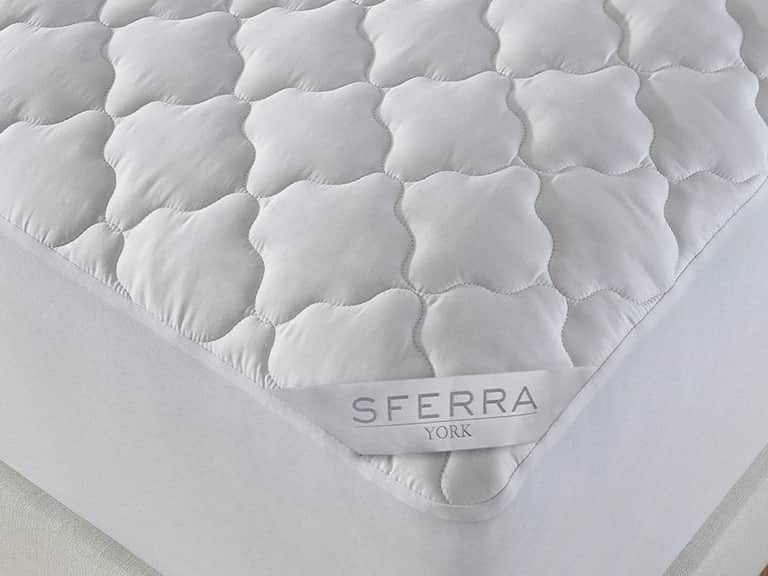
Product Spotlight: York Mattress Pad
A luxurious down-alternative mattress pad that elevates loft and comfort while supporting a clean, breathable sleep surface. York blends 100% cotton fill with a 300TC cotton sateen shell, delivering a balanced, cloud-like feel that works beautifully in an allergen-conscious bedroom.
- Material: 100% cotton fill; 300TC cotton sateen
- Care: Machine wash cold; tumble dry low
- Fit: Deep pockets and secure elastic edges for a snug fit
Allergen-Reduction Checklist (Printable)
- Set a daily 10-minute bedroom tidy-up to reduce dust accumulation.
- Wash bedding weekly in hot water; dry thoroughly.
- Encase pillows and mattresses in allergen-barrier covers.
- Maintain humidity around 40–50% and ensure adequate ventilation.
- Choose low-VOC furniture and cleaning products; ventilate after cleaning.
- Vacuum with a HEPA-filtered machine; target corners, baseboards, and under the bed.
- Limit scented products; opt for fragrance-free care when possible.